

Dunce Caps: For Dummies, Wizards, or Both?
A Mostly Hearsay History of The Dunce Cap and Wizard Hat

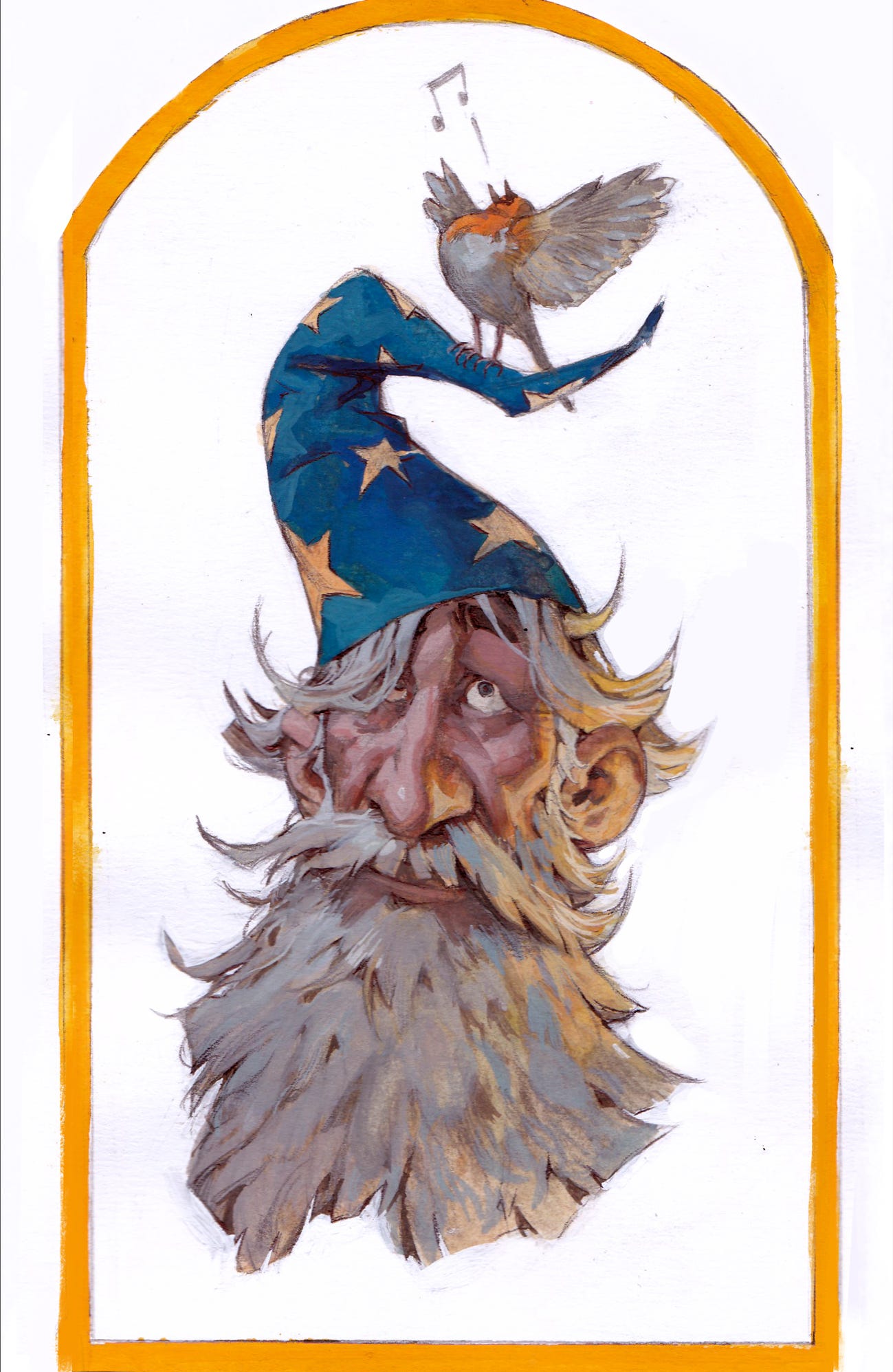
I hyper-focus on random stuff. I don’t know why I become so fixated on such odd queries, but I do. Recently I’ve become enamored of the history and philosophy of the magician/wizard and of his conical hat.
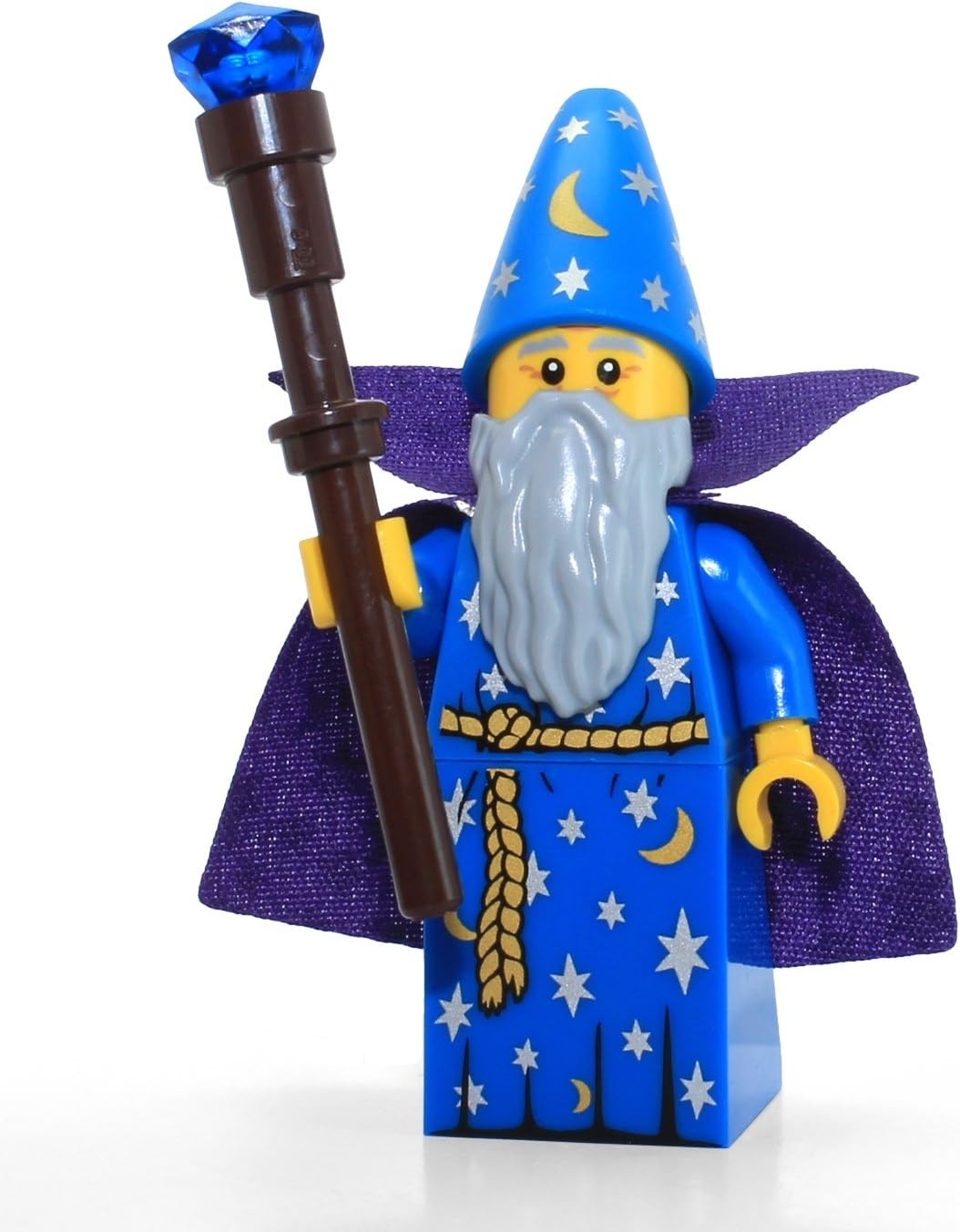
There’s just something so cool about it—it’s synonymous with secret knowledge, wisdom, and magic—after all, our English word ‘wizard’ comes form the wys root which means wise or knowledge and the -ard suffix which is an intensifier, like in drunk-ard, dull-ard, etc. (big thanks to Guy Ogilvy’s and his book The Great Wizards of Antiquity for pointing this out).
So, why are there stars and moons on the magicians-wizard’s hat and robes? Well, we depict them this way because we think of the ancient magi of Babylon who were a collection of wisemen of all stripes: astrologers, proto-scientists, philosophers, theologians, prophets/augers, seers, dream interpreters, sorcerers, etc. The most famous of these magi were those who interpreted the birth of the Jewish messiah based on the stars in the sky—those wisemen who came from the east to bring the Christ gold, frankincense, and myrrh (though they brought three kinds of gifts, we don’t know how many actually made that trip and came to see the Messiah—though we often say there were three wisemen or three kings of the Orient).
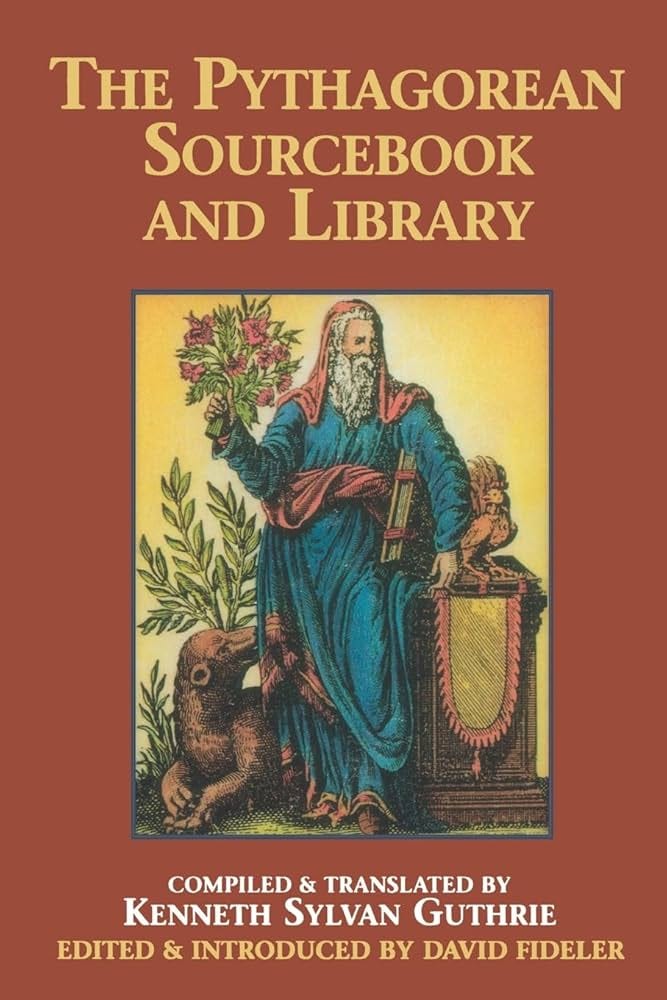
As a quick digression, I have to note that after those magi who visited the infant Christ bearing gifts, perhaps the next most famous magus of Babylon would be Pythagoras who, like the prophet Daniel, was captured and brought to Babylon against his will but who ended up joining the ranks of the wisemen there. You can read more about Pythagoras (yes of the theorem) in the post below and you can join my Parker’s Ponderings Book Club and come read all about him in the next few weeks as we read The Pythagorean Sourcebook and Library.

Grab the Pythagorean Sourcebook and Library HERE to support my work.
Here’s our reading schedule:
The Pythagorean Sourcebook and Library by Kenneth Sylvan Guthrie
February 20th - Companion Essay on the Forward and introduction
February 27th - Companion Essay on Part 1: The Pythagoras Sourcebook (pg. 57-155)
March 6th - Companion Essay on Part 2: The Pythagorean Library (pg. 159-end)
March 13th - Substack Live Book Talk
Duns Scotus and Dunce Caps
So, we, who want to depict magician-wizards, look to those famous magi (magoi) and figure: “hey, magi like stars and moons and heavenly bodies, they should probably live in towers to get a better view of the night sky and they should definitely have starts and moons on their garbs”.
I find this biblical connection to our depiction of wizardly-magicians utterly fascinating!
That explains the stars and moons, then, but what’s the deal with the pointy, conical shape of their hats? And… and why do they look like dunce caps? Is there some sort of connection there?
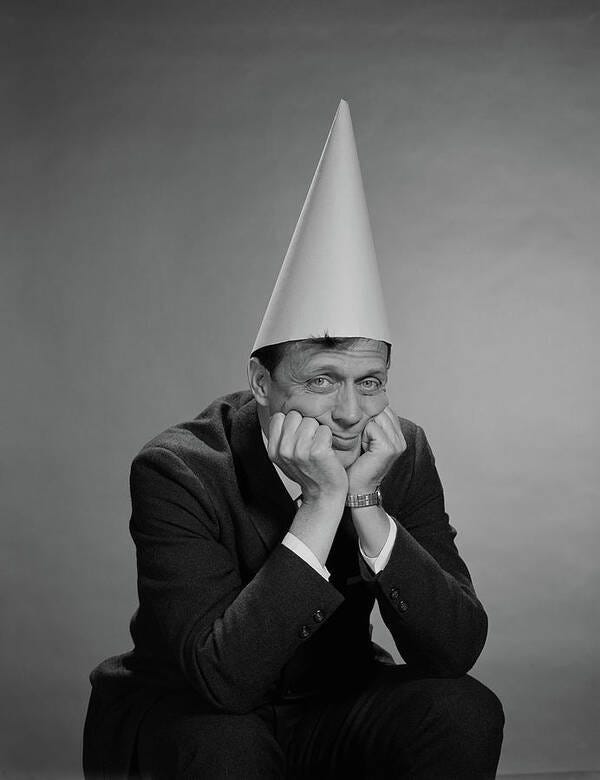
There absolutely is a connection. The dunce cap looks just like a wizard-magician’s hat! But why?
Well, the term ‘dunce cap’ has its origins with the Medieval philosopher-theologian, John Duns Scotus (1266-1308), who was a genius and also believed some wild stuff. He apparently thought that the upside-down funnel shape would somehow metaphysically help funnel knowledge into his brain or mind—so, he stated wearing a cone hat to funnel knowledge into his brain, which is just amazing! There’s some debate on whether Duns Scotus got the conical shape and the knowledge-funneling theory from the magi-wizards of his own time, or whether they got it from him, but whatever the case, the cone hat became associated with Duns Scotus, his followers, and intelligentsia more broadly construed.
I’ve also heard that the shape is meant to help wizards focus their thoughts—like a literal thinking cap.
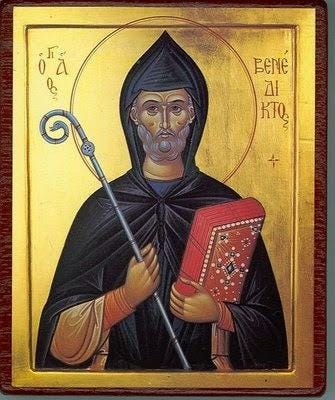
So, when Duns Scotus’s philosophy was in vogue, the intelligentsia followed him in his wizardy garb. But once his philosophy fell out of fashion, the look went down with him and the conical hat transformed from a sign of intelligence, knowledge, wisdom, and understanding, to a sign of outdated, overly pedantic mummery or pseudo-intellectualism.
Over time, ‘Duns Scotus’ was shortened to ‘dunce’ and the pointy hat became a sign of derision in schools. Maybe it started as a way to try and get kids to focus their thoughts but it became a punishment for kids who misbehaved or weren’t performing adequately.
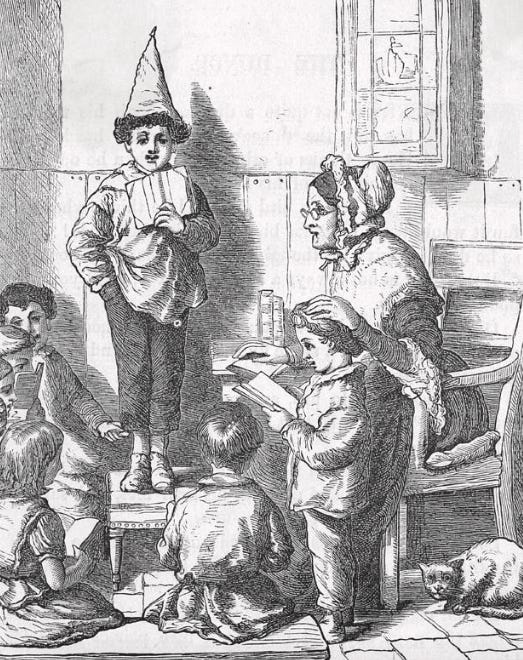
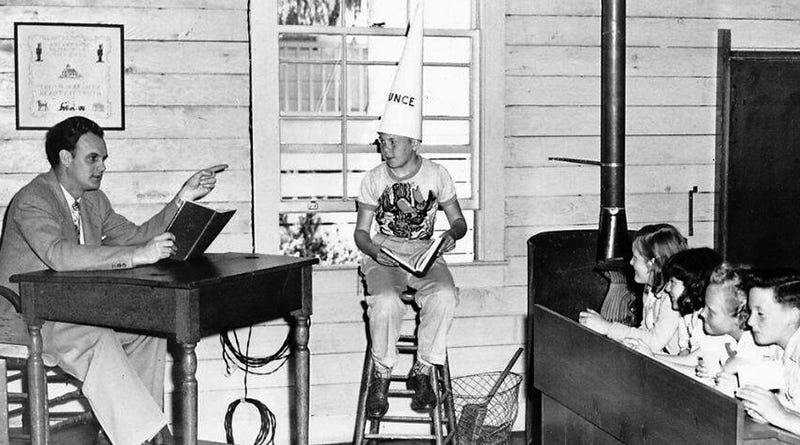
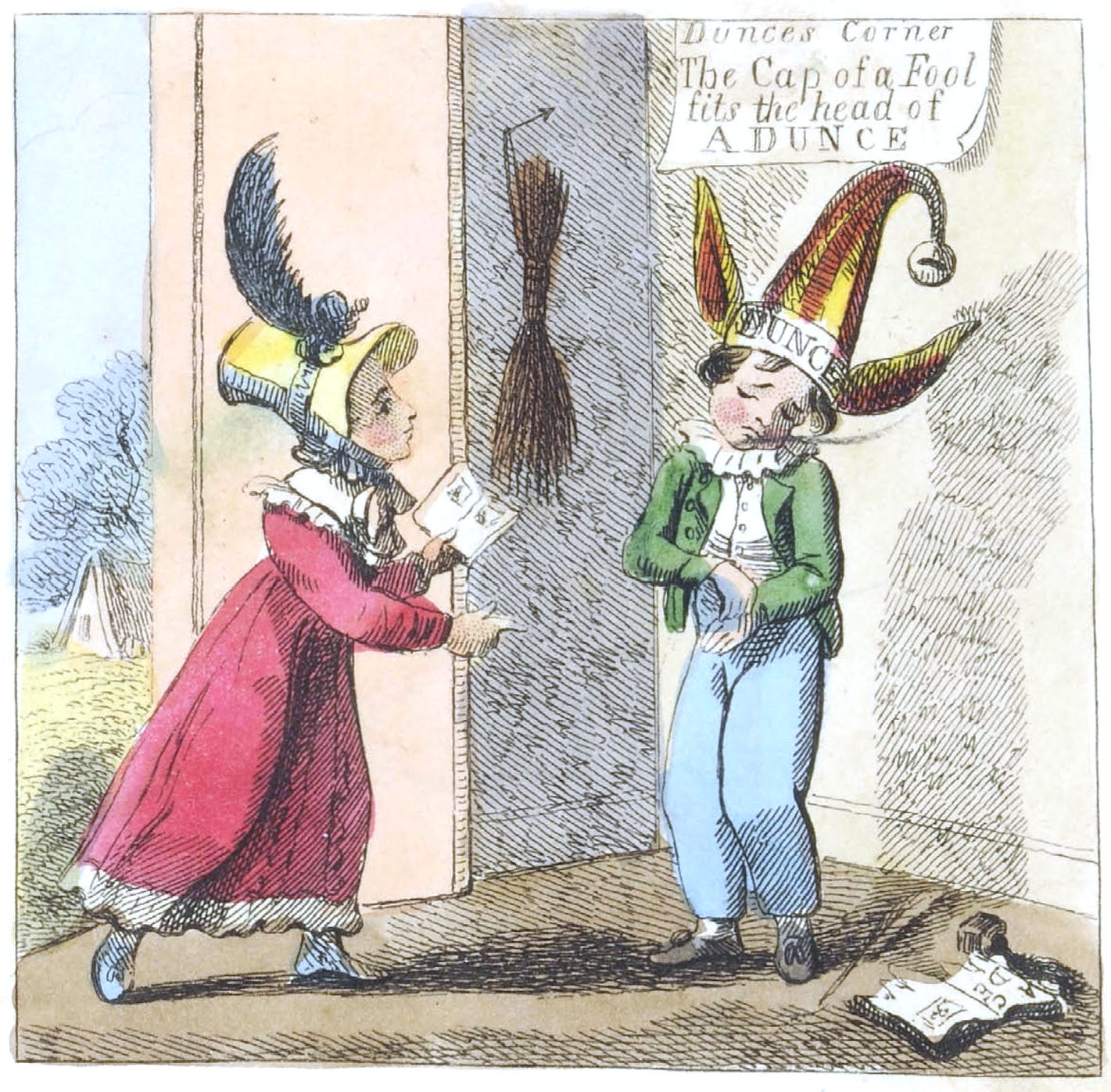
And eventually, instructors started adding donkey ears to their dunce caps to signify that the child who ‘earned’ the privilege of wearing it did so by being asinine.
Party hats
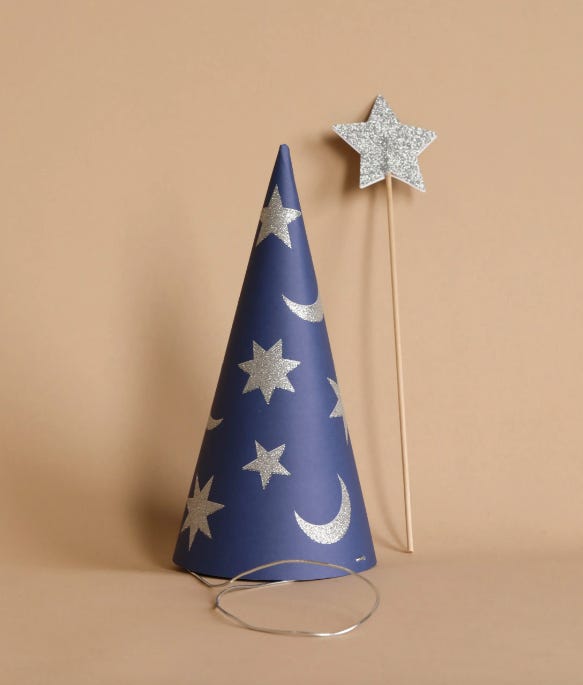
Now, we also wear conical party hats to birthday parties and these likewise bear resemblance to the magician-wizard hat/dunce cap. Here I am going to engage in sheer, raw speculation: I think we do this because it’s time to party! We’re free to be dunces, to be asinine—it’s a party after all! Let’s get silly. Strap that cone to your head and let’s let it rip! I don’t know that this is the actual history but it seems really plausible to me. I hope it’s the case.
Tolkien, Gandalf, and Odin
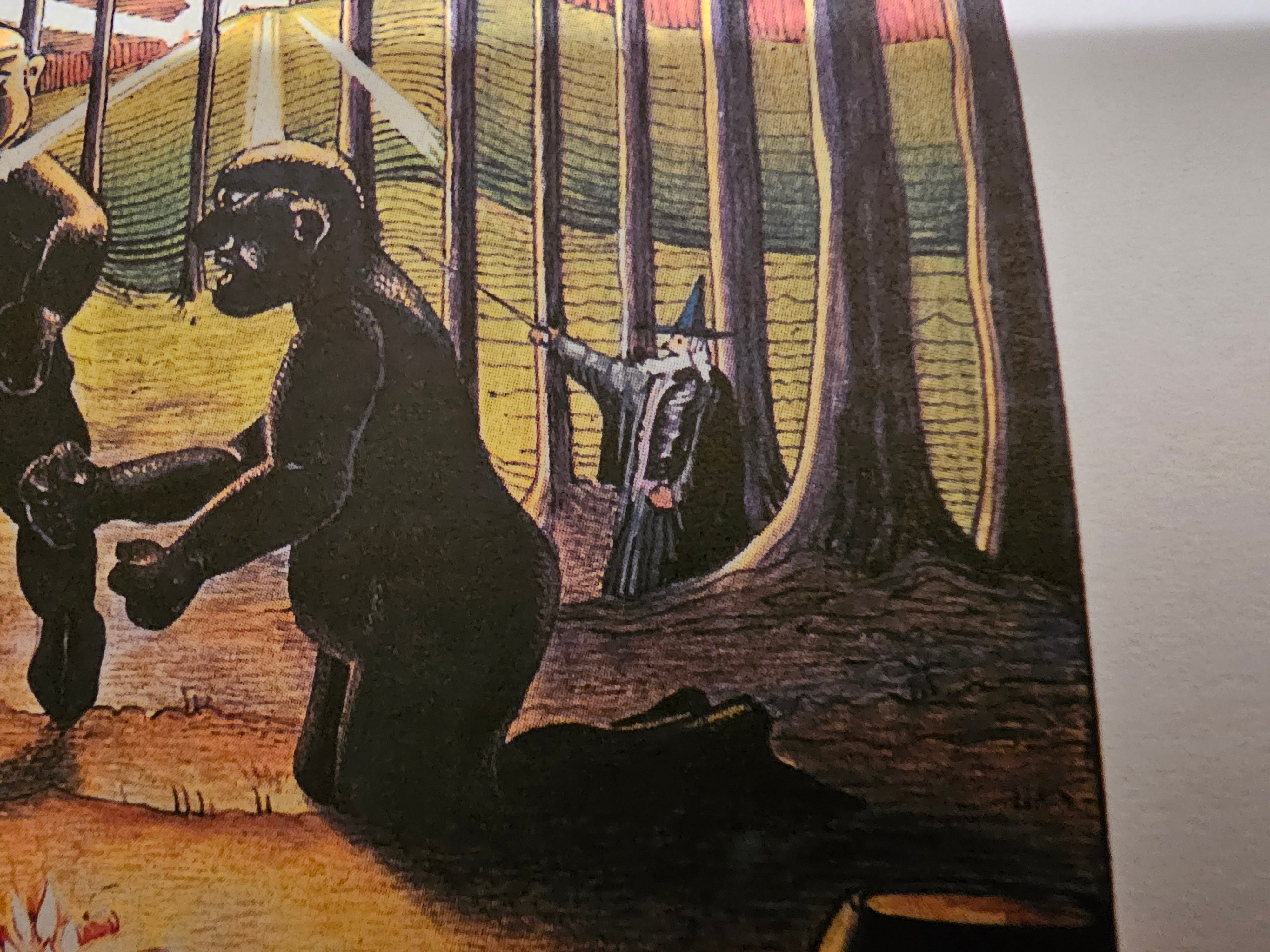
Why do we depict wizards as having wide-brimmed conical hats today, instead of just the dunce cap style? Well, lots of people online claim it’s because of Tolkien, who blended the magician-wizard hat with the wide-brimmed hat that Odin is described as wearing—since, supposedly Gandalf is a Legendarium transposition of the Norse wandering magician-god Odin.
Again, this is more speculation and hearsay, but it’s pretty good stuff and I confess, I believe!
Other Sources?
I’ve also heard that perhaps the pileus freeman’s hat is the true progenitor of the wizard hat. This was a Scythian conical hat given to freed slaves and became a symbol for various revolutions.
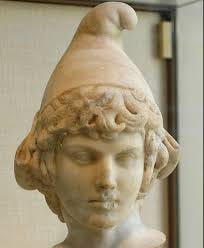
This reminds me of the hats worn by the 7 dwarves in Snow White.
I’ve also read some theories that the black witch hat has it’s own history in Europe where Jews were forced to wear hats to identify themselves and from these hats the witch hat evolved. But I haven’t looked into these other theories as much yet.
So, that’s that. Does it really matter? Maybe not. But now I’m free of this research curse—at least for now.
Sources:
https://www.atlasobscura.com/articles/the-dunce-cap-wasnt-always-so-stupid
https://en.wikipedia.org/wiki/Dunce
The Great Wizard’s of Antiquity by Guy Ogilvy
https://en.wikipedia.org/wiki/Pileus_(hat)
https://en.wikipedia.org/wiki/Witch_hat
https://kellykazek.com/2019/03/13/the-ironically-brilliant-tale-of-the-dunce-cap/
https://www.reddit.com/r/Fantasy/comments/kzq2rh/why_do_wizards_wear_pointy_hats_where_does_the/
Totally Interesting! I've never thought about it!
That was cool! I feel much smarter now! Thanks Parker