

Wisdom Is Practical
It's Not Just For Ivory (or Onyx) Tower Wizards

Definitions are tricky. Philosophers are basically trained to rip apart every definition ever until we finally find one that’s sure enough to withstand the onslaught. That’s a rare feat!
I’ve been trained in the ‘analytic’ philosophical tradition where definitions are especially endangered. This makes me a little gun-shy when it comes to giving definitions but I’m going to power through my trepidation and give a stipulative definition of ‘wisdom’ so I can get this post off the ground.
How’s this:
Wisdom is the proper application of knowledge.
It’s not enough to just know something. If you want to be wise, you have to apply your knowledge properly.
It’s not enough to know that “a soft answer turns away wrath, but a harsh word stirs up anger (Proverbs 15:1), you need to live in light of that knowledge if you want to be wise. It does no good to know that proverb but then to go around giving harsh words and infuriating all those around you.
Wisdom is not just knowing something, but applying that knowledge at the right time and in the right place. Wisdom is practical.
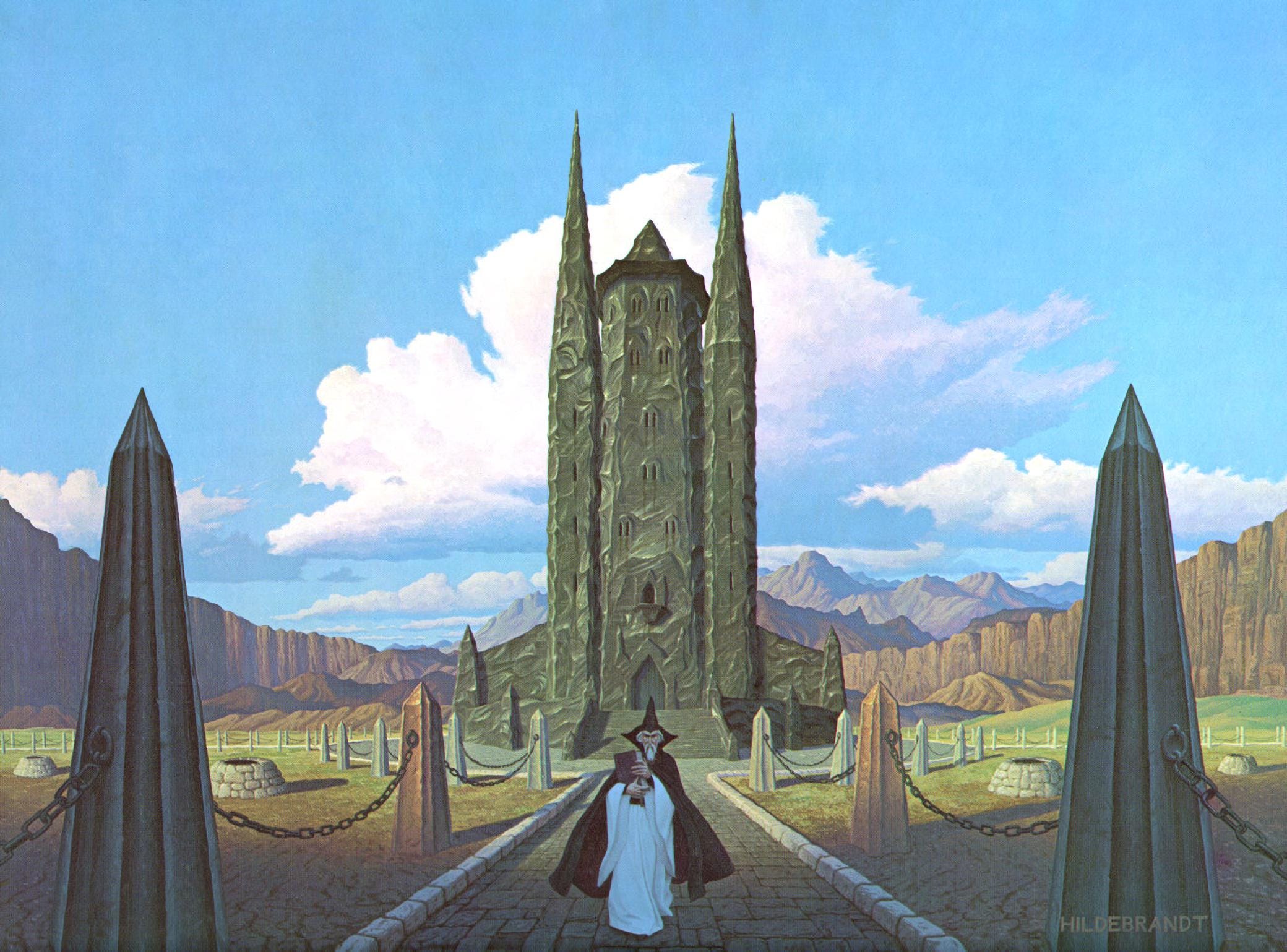
This is probably obvious to many of my readers but I continually need to be reminded of the practicality of wisdom. Why? Because I’m enamored of the Western depiction of wizards and sages. Old, wizened, bearded, pointy-hatted, cloak cladded wisemen.

Wizards either live in tall stone towers or in small earthen forrest cottages. They are privy to the undercurrent of the story they live in and they always have the right aphorism for the situation. They are experts in lore and abstract, abstruse metaphysical knowledge—theoretical philosophy. Even their practical knowledge or healing and transmogrification and spontaneous combustion comes from esoteric knowledge they’ve acquired from long study in secret caves and ancient libraries.
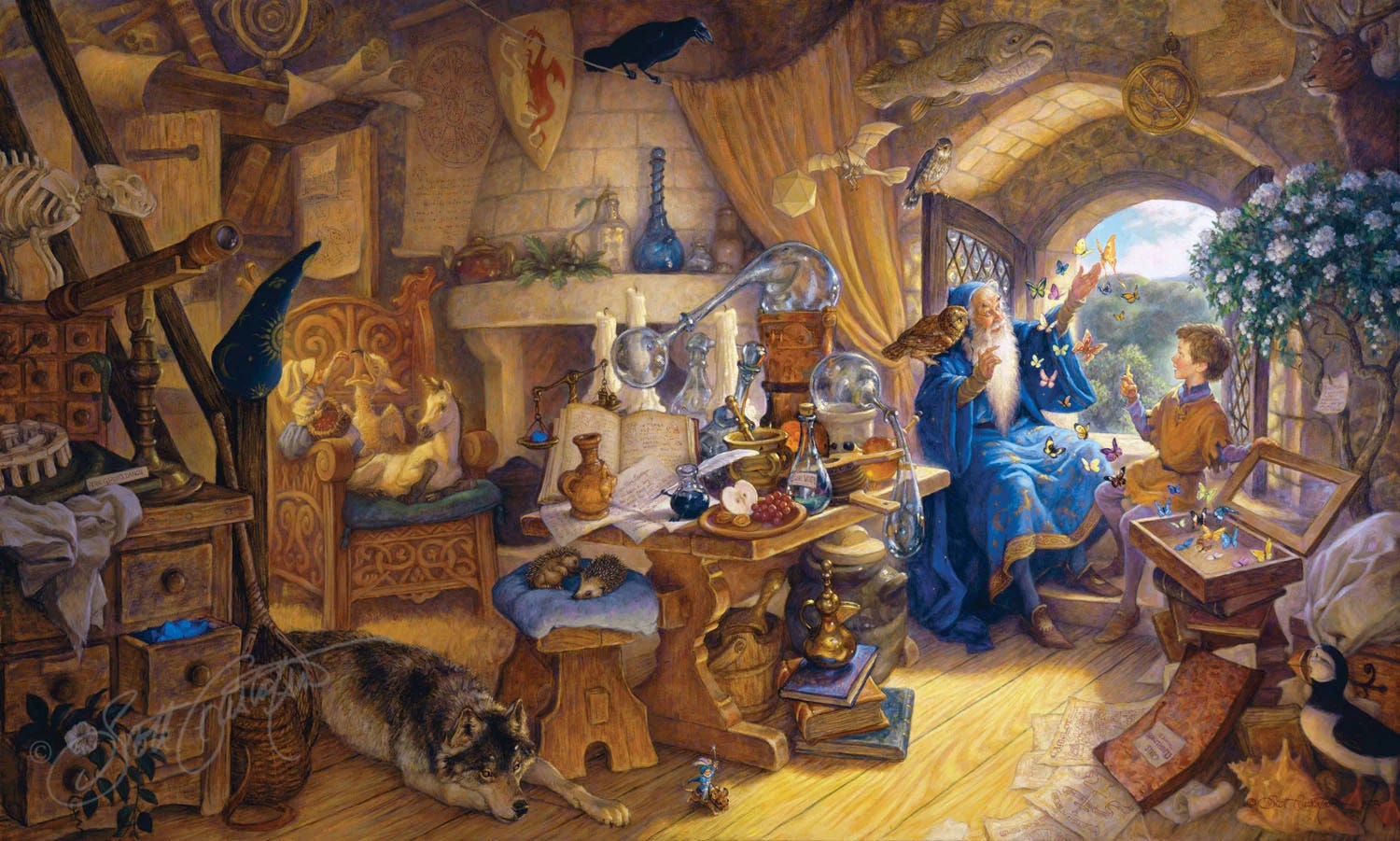
That’s the vision that’s captured my imagination. But that’s a lopsided depiction. Wisdom is much more practical than that and it always has been. The ancient presocratic philosophical-sages knew that to be wise meant living well, pursuing practical philosophy as well as theoretical and unifying one’s knowledge to walk the path of wisdom.
I’m reminded of the legend of Thales and the olive presses. Thales, after being accused of wasting his time with theoretical knowledge, read the signs of the seasons through his practical understanding of nature and cornered the market on olive presses. The next olive season came and it was massively fruitful as he predicted and then everyone had to come to him to process their yields and Thales became rich out of spite!
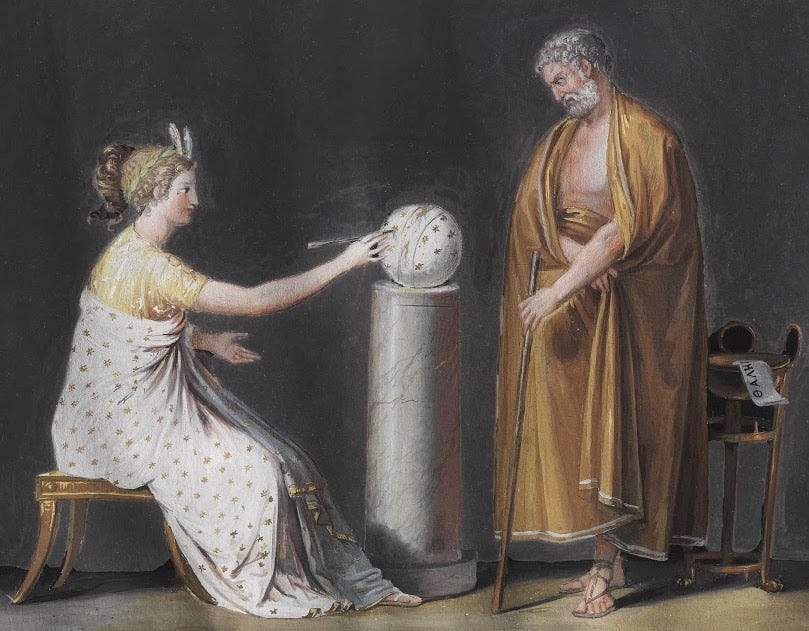
Now is this story of Thales true? I don’t know for sure but I choose to believe. It’s just so good! But even if it’s apocryphal or embellished, the lesson remains, wisdom is practical, it’s not just for ivory tower wizards whose minds are too busy on the astro-plane to worry about their daily lives.
I was reminded of the practicality of wisdom, knowledge, and understanding this morning as I was reading Proverbs 24. Verses 3-6 really spoke to me:
By wisdom a house is built,
	and by understanding it is established;
by knowledge the rooms are filled
	with all precious and pleasant riches.
A wise man is full of strength,
	and a man of knowledge enhances his might,
for by wise guidance you can wage your war,
	and in abundance of counselors there is victory.
Wisdom helps you build houses, or find the right contractors, engineers, and architects to help. By understanding, one’s ‘house’, or family lineage, is established and will continue on. By the proper application of knowledge you can acquire wealth and can furniture your home. But it’s not just about wealth and financial wisdom. A wise man is also full of strength and will enhance his might. Plato made this same contention in the Republic:
In my view physical excellence does not of itself produce a good mind and character: on the other hand, excellence of mind and character will make the best of the physique it is given.
Plato, The Republic (Penguin Classics (Desmond Lee’s 2nd Ed.), 101).
Someone with excellence of mind and character—a wise person—will make the best use of the physique they’ve been given, they will enhance their physical might, they will take care of their bodies and seek to strengthen them.
Wisdom is practical. You aren’t wise if you aren’t wise with your money. You aren’t wise if you are wise with your body. But furthermore, you’re not wise all by yourself, locked away in a tower. It’s the fool who isolates him or herself. The wise man seeks an abundance of counselors—he seeks wise guidance from other wise-ards. Wisdom is found in relationship. It’s not in the company of fools, of course, but to be wise you need to befriend the wise and ask them for wisdom.
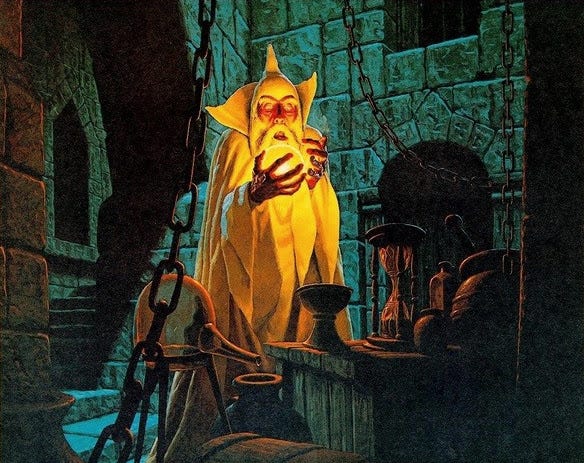
Wisdom is practical. Yes, it will require strength of mind to become wise, but wisdom also demands that you take care of your body, your home, your finances, and your relationships.
True wisdom leads you out of your isolated towers and forrest cottages and makes demands on your mind, body, soul, and the company you keep.
Wholeheartedly agree. (I’m certainly inexperienced in the area of philosophy. Love following and trying to learn from your content.) But wisdom, in my opinion, is useless and pointless, unless it is actually practiced. What good is it to have knowledge, if locked away in a tower and not applying it? I was struck by the same set of verses today, as I journal through one chapter of Proverbs daily. May we seek to apply our knowledge and guide others, like the wizards of great stories.
Maybe your definition isn’t perfect, but it seems fitting.